A beautiful smile achieved through braces is a significant investment of time, effort, and commitment. After months or even years of orthodontic treatment, many patients are surprised to learn that teeth can gradually shift back toward their original positions if proper precautions are not taken. This phenomenon, known as orthodontic relapse, is common but preventable with the right post-treatment care.
If you have recently completed braces treatment or are planning to begin your orthodontic journey, understanding why teeth shift after braces and how orthodontists prevent it can help you maintain your results for years to come. Patients seeking expert orthodontic care often consult Dr. Akshai Shetty, a trusted orthodontist known for helping patients achieve and maintain healthy, aligned smiles.
Why Do Teeth Shift After Braces?
Braces work by applying gentle pressure to move teeth into their desired positions. However, once braces are removed, the surrounding bone, gums, and ligaments need time to stabilize around the newly aligned teeth.
Several factors can contribute to teeth shifting after braces:
1. Natural Memory of Teeth
Teeth are supported by periodontal ligaments, which have a tendency to pull teeth back toward their original positions. This natural “memory” can cause movement if retention measures are not followed.
2. Aging and Facial Changes
As we age, subtle changes occur in our jaw structure and facial muscles. These changes can affect tooth alignment over time, even in individuals who have never worn braces.
3. Failure to Wear Retainers
The most common reason for teeth shifting after braces is inconsistent retainer use. Retainers are designed to hold teeth in their corrected positions while the surrounding tissues adapt.
4. Wisdom Teeth Pressure
Although wisdom teeth are not always responsible for crowding, their eruption can sometimes contribute to changes in tooth alignment.
5. Teeth Grinding and Clenching
Habitual grinding or clenching can place excessive pressure on teeth, potentially leading to movement over time.
6. Gum Disease
Periodontal disease weakens the structures supporting the teeth, increasing the likelihood of shifting and spacing issues.
What Is Orthodontic Relapse?
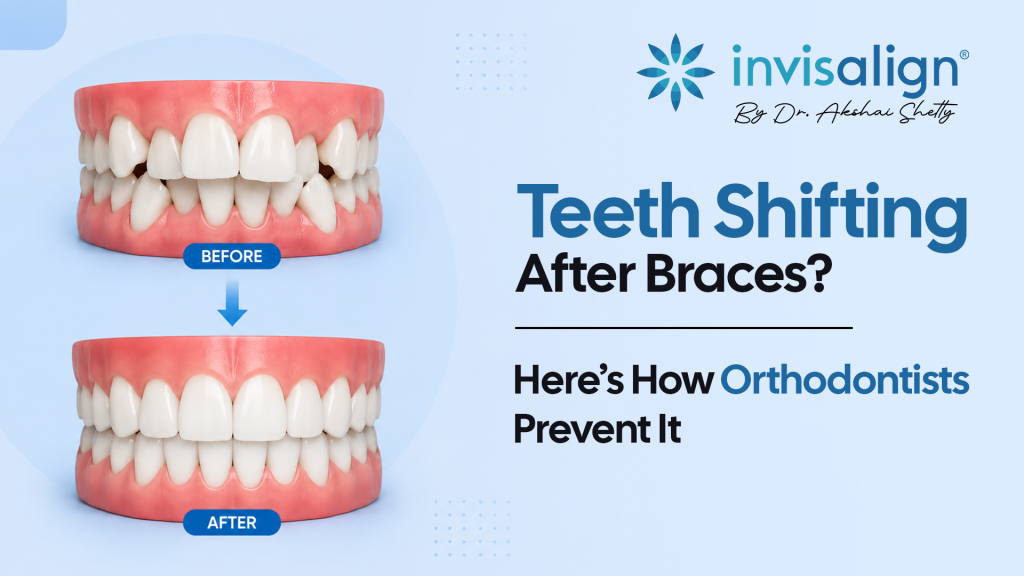
Orthodontic relapse refers to the tendency of teeth to move back toward their original positions after braces are removed. The severity of relapse varies from person to person.
Minor relapse may involve slight crowding or spacing, while significant relapse can affect both appearance and bite function. Fortunately, modern orthodontic techniques focus heavily on retention strategies to minimize this risk.
How Orthodontists Prevent Teeth Shifting After Braces
Orthodontists understand the biological processes behind tooth movement and use several methods to maintain treatment results.
1. Providing Customized Retainers
Retainers are the most important tool for preventing relapse. Every patient receives a retention plan tailored to their specific orthodontic needs.
Common types include:
Removable Clear Retainers
These transparent retainers fit snugly over the teeth and are nearly invisible when worn.
Benefits include:
- Comfortable fit
- Easy maintenance
- Aesthetic appearance
- Effective retention
Hawley Retainers
These traditional retainers use an acrylic base and metal wire to maintain alignment.
Advantages include:
- Durable design
- Adjustable fit
- Long lifespan
Fixed Retainers
A thin wire is bonded behind the front teeth to provide continuous retention.
Benefits include:
- Works around the clock
- No risk of forgetting to wear it
- Particularly effective for lower front teeth
2. Monitoring Retainer Compliance
Orthodontists emphasize the importance of wearing retainers exactly as instructed.
Initially, patients may need to wear retainers full-time except while eating or brushing. Over time, many transition to nighttime wear.
Regular follow-up visits allow orthodontists to assess compliance and ensure teeth remain stable.
3. Scheduling Regular Check-Ups
Post-treatment appointments are essential for monitoring long-term stability.
During these visits, orthodontists can:
- Check tooth alignment
- Evaluate retainer condition
- Detect early signs of relapse
- Make necessary adjustments
Early intervention often prevents more significant problems later.
4. Using Permanent Retention When Needed
Some patients have a higher risk of relapse due to severe crowding, spacing issues, or complex bite corrections.
In such cases, orthodontists may recommend permanent retainers to provide continuous support and maintain alignment.
5. Managing Bite Stability
A properly aligned bite helps maintain long-term orthodontic results.
Orthodontists carefully evaluate:
- Jaw relationships
- Tooth contacts
- Chewing patterns
- Functional movements
A stable bite reduces unnecessary forces that may contribute to tooth movement.
Signs Your Teeth May Be Shifting
Recognizing early warning signs can help prevent significant relapse.
Watch for:
- Increased crowding
- New gaps between teeth
- Changes in bite
- Difficulty fitting retainers
- Teeth feeling different when biting
If you notice any of these symptoms, contact your orthodontist promptly.
What Happens If You Stop Wearing Your Retainer?
Many patients underestimate the importance of retention once braces are removed.
Without retainers:
First Few Months
The highest risk of relapse occurs during the initial months after treatment. Teeth may begin shifting surprisingly quickly.
First Year
Small changes can become noticeable, especially in the front teeth.
Several Years Later
Significant crowding, spacing, or bite changes may develop if retainers are abandoned completely.
Fortunately, early detection often allows orthodontists to correct minor shifts before they become major concerns.
Can Shifted Teeth Be Corrected Again?
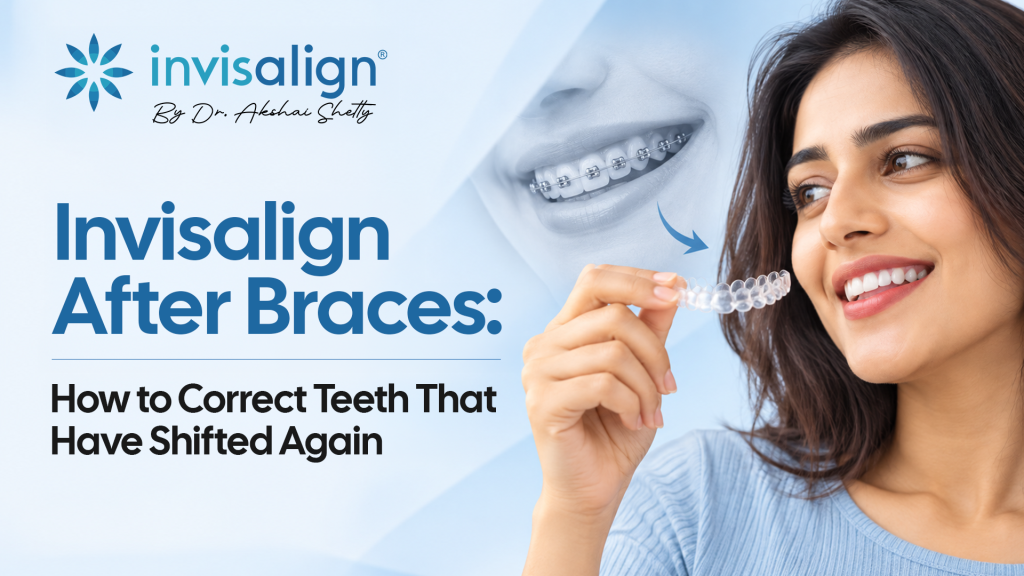
Yes. If teeth have moved after braces, orthodontists can often restore alignment using various treatment options.
Depending on the severity, solutions may include:
- New retainers
- Limited orthodontic treatment
- Clear aligners
- Traditional braces
The sooner treatment begins, the easier correction typically becomes.
Tips to Maintain Your Orthodontic Results
To keep your smile looking its best:
Wear Your Retainer Consistently
Follow your orthodontist’s instructions carefully and avoid skipping retainer wear.
Store Retainers Properly
Keep retainers in their protective case when not in use to prevent damage or loss.
Maintain Good Oral Hygiene
Healthy gums and supporting tissues play a crucial role in keeping teeth stable.
Attend Follow-Up Visits
Regular orthodontic reviews help identify potential issues early.
Replace Damaged Retainers
Cracked, loose, or worn retainers may not provide adequate support.
Avoid Harmful Habits
Reduce habits such as nail-biting, chewing ice, and teeth grinding that may affect alignment.
Importance of Long-Term Retention
Many people assume orthodontic treatment ends when braces are removed. In reality, retention is the final and most important phase of treatment.
Research has shown that teeth naturally continue to move throughout life. Long-term retainer use helps preserve the investment made during orthodontic treatment and keeps your smile aligned for years to come.
Orthodontists now view retention as a lifelong commitment rather than a short-term requirement. Even wearing retainers a few nights per week after the initial retention period can significantly improve long-term stability.
Orthodontic Care in Bangalore
For individuals seeking professional guidance on maintaining their orthodontic results, Orthodontic Treatment in Bangalore focuses not only on achieving straight teeth but also on ensuring those results last. Experienced specialists develop personalized retention plans based on each patient’s unique needs.
Patients looking for Braces Treatment in Bangalore should understand that retainers are an essential part of the overall treatment process. Proper retention significantly reduces the risk of relapse and helps maintain a confident smile.
When considering Orthodontist in Bangalore services, choosing an experienced specialist can make a significant difference in both treatment outcomes and long-term smile stability. Professionals like Dr. Akshai Shetty emphasize comprehensive post-treatment care to help patients enjoy lasting orthodontic results.
Final Thoughts
Teeth shifting after braces is a common concern, but it is largely preventable with proper retention and regular orthodontic monitoring. Factors such as natural tooth movement, aging, retainer non-compliance, and bite changes can contribute to relapse. However, orthodontists use customized retainers, follow-up care, and long-term retention strategies to protect your newly aligned smile.
By wearing retainers consistently, maintaining good oral health, and attending regular orthodontic check-ups, you can preserve your treatment results for many years. A well-maintained smile not only enhances appearance but also supports long-term oral health and confidence.
Teeth shifting after braces? Dr. Akshai Shetty helps keep your smile perfectly aligned—call 080-2550-4231 today!